
Staying hydrated isn’t just about quenching thirst—it’s essential for your brain, body, and overall well-being. One of the most overlooked symptoms of inadequate hydration is the dreaded headache. But will dehydration cause headaches? The answer is yes, and the connection is more serious than most people realize. In this blog, we’ll explore how dehydration leads to headaches, what symptoms to look out for, and how to hydrate smarter using next-gen solutions like hydrogen water.
Table of Contents
What is Dehydration?
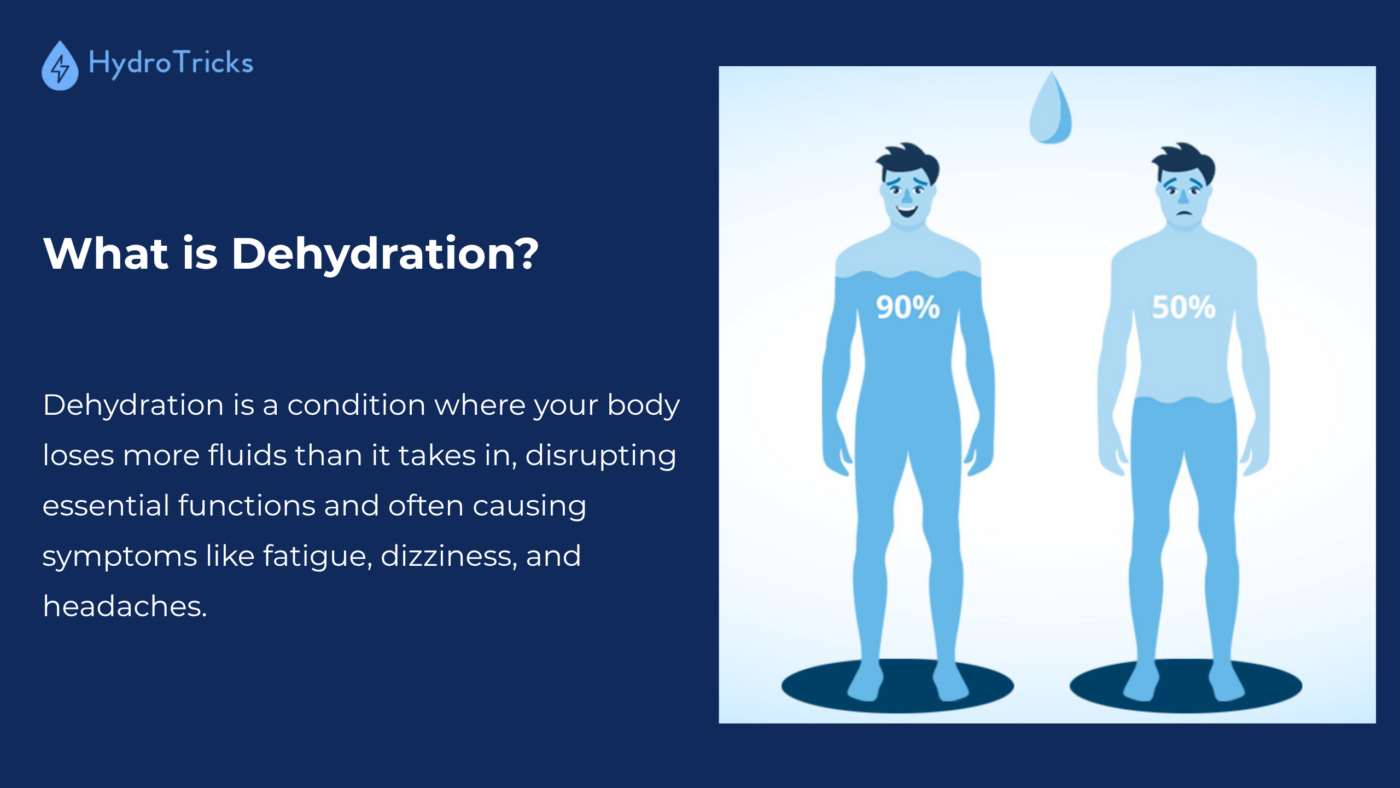
Dehydration happens when your body loses more fluids than it takes in through sweat, urination, breathing, or simply forgetting to drink. While it’s commonly linked to heat or exercise, dehydration can occur during everyday activities like working indoors, traveling, or sleeping. Your body is made up of about 60% water, and every system—digestion, circulation, temperature control—relies on that balance to operate properly.
When hydration levels drop, your body starts to struggle. Even mild dehydration can cause symptoms like fatigue, brain fog, dry skin, and dizziness. One of the most common and overlooked warning signs? Headaches. As your body becomes dehydrated, your brain may shrink slightly, pulling away from the skull and triggering discomfort. So, will dehydration cause headaches even if you’re only slightly low on water? Absolutely. That’s why it’s important to understand how dehydration affects your body—and how to stop it before symptoms strike.
The Hidden Downsides of Dehydration
Dehydration affects far more than just your thirst. When your body doesn’t get enough water, it struggles to perform basic functions, impacting everything from energy to brain health. If you’ve ever asked Will dehydration cause headaches?—the answer is yes, and that’s just one of many symptoms. Here are some of the key disadvantages of being dehydrated:
- Fatigue and Low Energy – Your body can’t produce energy efficiently without proper hydration.
- Reduced Focus and Mental Clarity – Concentration becomes harder, and brain fog sets in.
- Dry Skin and Dull Appearance – Lack of hydration affects your skin’s elasticity and glow.
- Constipation and Digestive Issues – Water is essential for moving waste through your system.
- Muscle Cramps and Dizziness – Electrolyte imbalances caused by dehydration can lead to discomfort.
- Headaches and Migraines – As the brain loses water, it shrinks slightly, triggering head pain.
- Thickened Blood and Poor Circulation – Sluggish blood flow reduces oxygen delivery to organs.
- Increased Risk of UTIs and Kidney Stones – Chronic dehydration stresses the urinary system.
- Slower Recovery Post-Exercise – Hydration is vital for muscle repair and performance.
To feel your best—mentally and physically—hydration isn’t optional. It’s essential.
Will Dehydration Cause Headaches? Here’s the Science

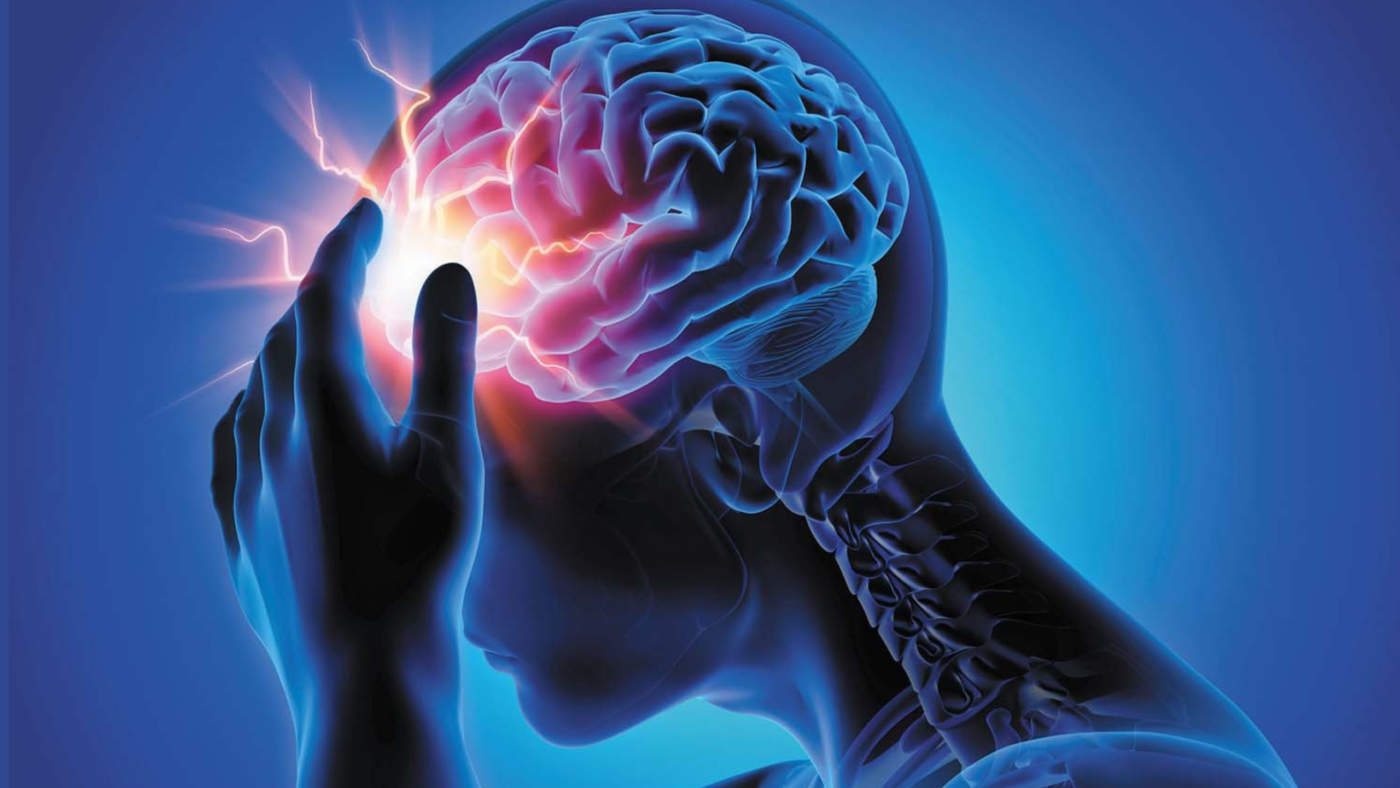
When your body becomes dehydrated, it loses more than just water—it loses efficiency. One of the first areas affected is the brain. The link between dehydration and brain function is strong: as fluid levels drop, the brain can shrink slightly, pulling away from the skull and activating pain receptors that cause headaches. Dehydration also lowers blood volume, which limits oxygen and nutrient delivery to the brain.
Combined with inflammation and oxidative stress, this creates the perfect storm for head pain. Research strongly supports the connection—many people experience fewer headaches simply by drinking more water. So, if you’re still wondering, will dehydration cause headaches? The answer is yes. For many, proper hydration is the easiest, most natural solution.
7 Shocking Ways Dehydration Causes Headaches
Even mild dehydration can lead to painful and persistent headaches. Below are seven mechanisms that explain how this happens and help answer the question: Will dehydration cause headaches?
Brain Shrinkage Triggers Pain
When dehydrated, your brain loses water and temporarily shrinks, pulling away from the skull. This shift activates pain receptors, often leading to tension or throbbing headaches.
Reduced Blood Flow Means Less Oxygen
Dehydration thickens your blood and reduces its volume. As a result, oxygen and nutrients struggle to reach your brain, causing dull, lingering headaches. Still wondering, “Will dehydration cause headaches?” The science clearly says yes.
Buildup of Toxins and Waste
Your kidneys need water to flush out toxins. When you’re dehydrated, waste builds up in your system, which can increase pressure and trigger headaches.
Electrolyte Imbalance
Water maintains electrolyte balance, like sodium and potassium. An imbalance can lead to muscle cramps and tension in your neck or scalp, resulting in headaches.
Poor Sleep Quality
Dehydration can interfere with sleep by causing dry mouth, leg cramps, or general restlessness. Poor sleep quality increases your risk of morning headaches.
Caffeine Withdrawal Worsened by Dehydration
If you rely on coffee or energy drinks, dehydration makes caffeine withdrawal symptoms worse, especially headaches, as your body struggles with compounding stressors.
Chronic Mild Dehydration and Migraines
Ongoing low-level dehydration has been linked to more frequent and intense migraines. So again, will dehydration cause headaches? Absolutely—and in more ways than you might expect.
Subtle Signs You May Be Dehydrated
You don’t have to feel parched for dehydration to set in. Watch for these early signs:
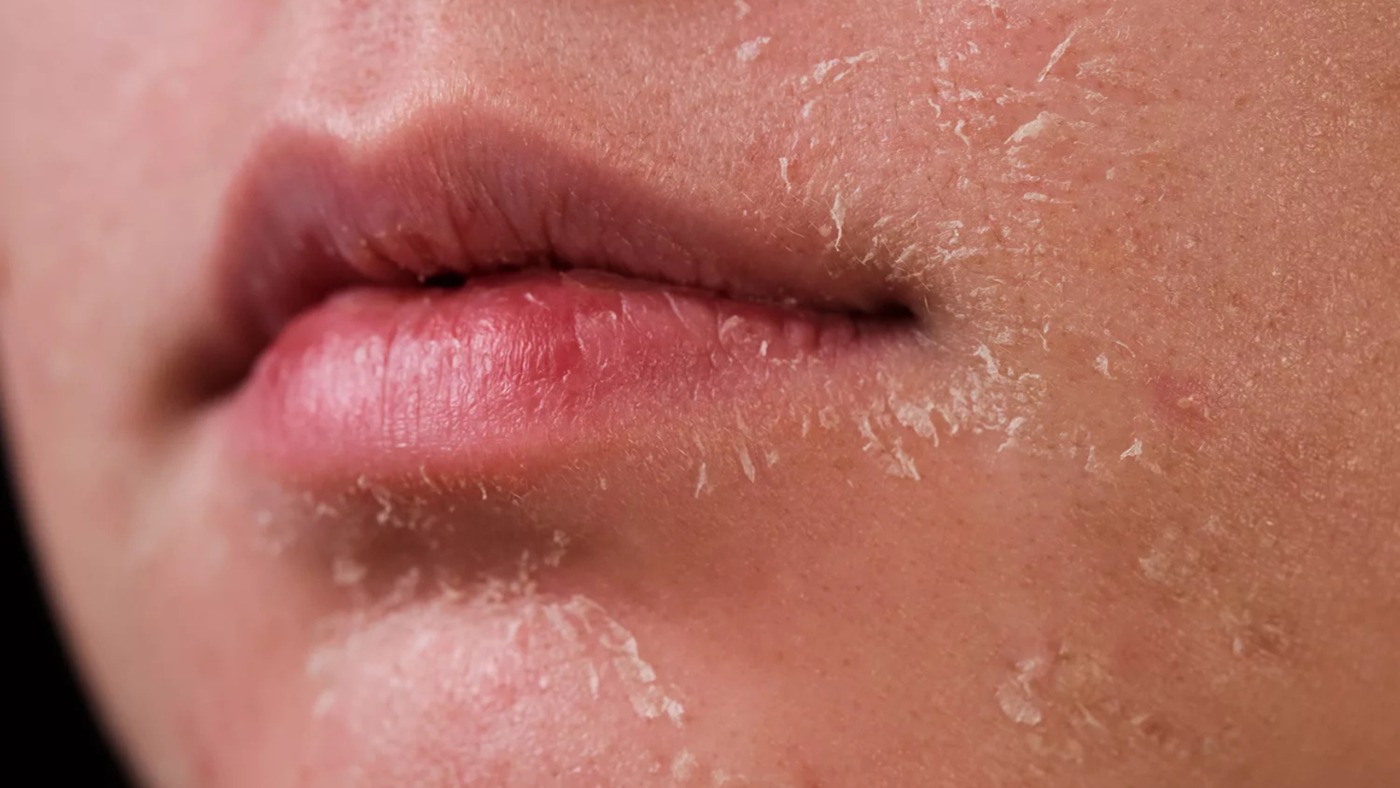
- Dry skin or lips
- Dull headaches
- Low energy or brain fog
- Constipation or dark urine
- Muscle cramps
Often, the first symptom people experience is a dull ache behind the eyes or in the temples. Ask yourself: Will dehydration cause headaches even if I’ve had a few sips of water? The truth is, not all water hydrates equally, and that’s where hydrogen water can make a difference.
What Makes Hydrogen Water More Effective
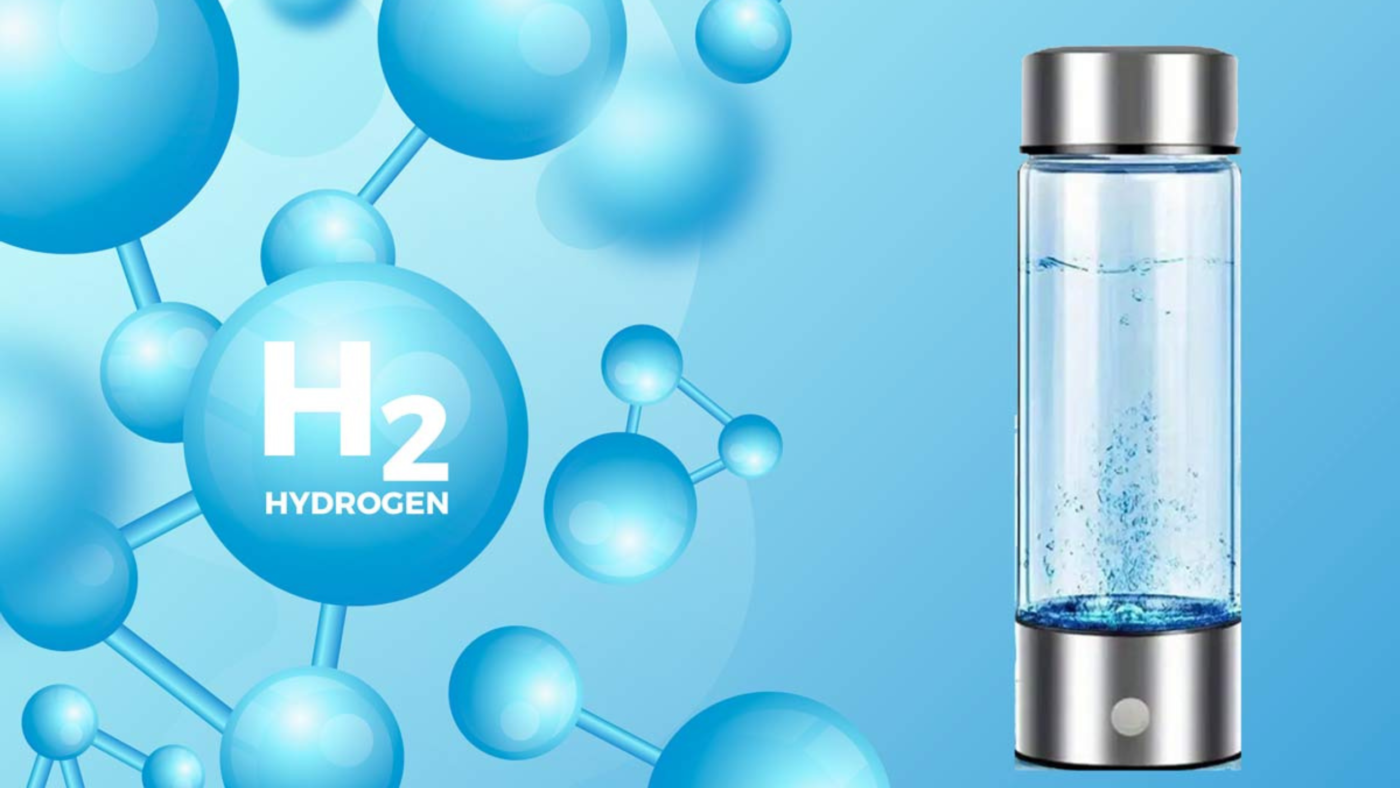
Let’s be honest—drinking water is important, but it’s not always effective on its own. Even if you meet your daily intake, you might still feel tired, foggy, or even develop headaches. Why? Because regular water isn’t always absorbed efficiently at the cellular level. That’s where hydrogen-rich water makes a big difference.
Hydrogen water delivers superior hydration, thanks to its small, bioavailable molecules that penetrate cells more effectively. It also acts as a powerful antioxidant, helping reduce oxidative stress—the same stress that contributes to inflammation and headaches. So, if you’re still wondering” will dehydration cause headaches?”, it’s worth considering whether your water is working hard enough for you. Upgrading to hydrogen-infused water could be the smarter hydration solution your body’s been craving.
Smarter Hydration Starts with HydroWata
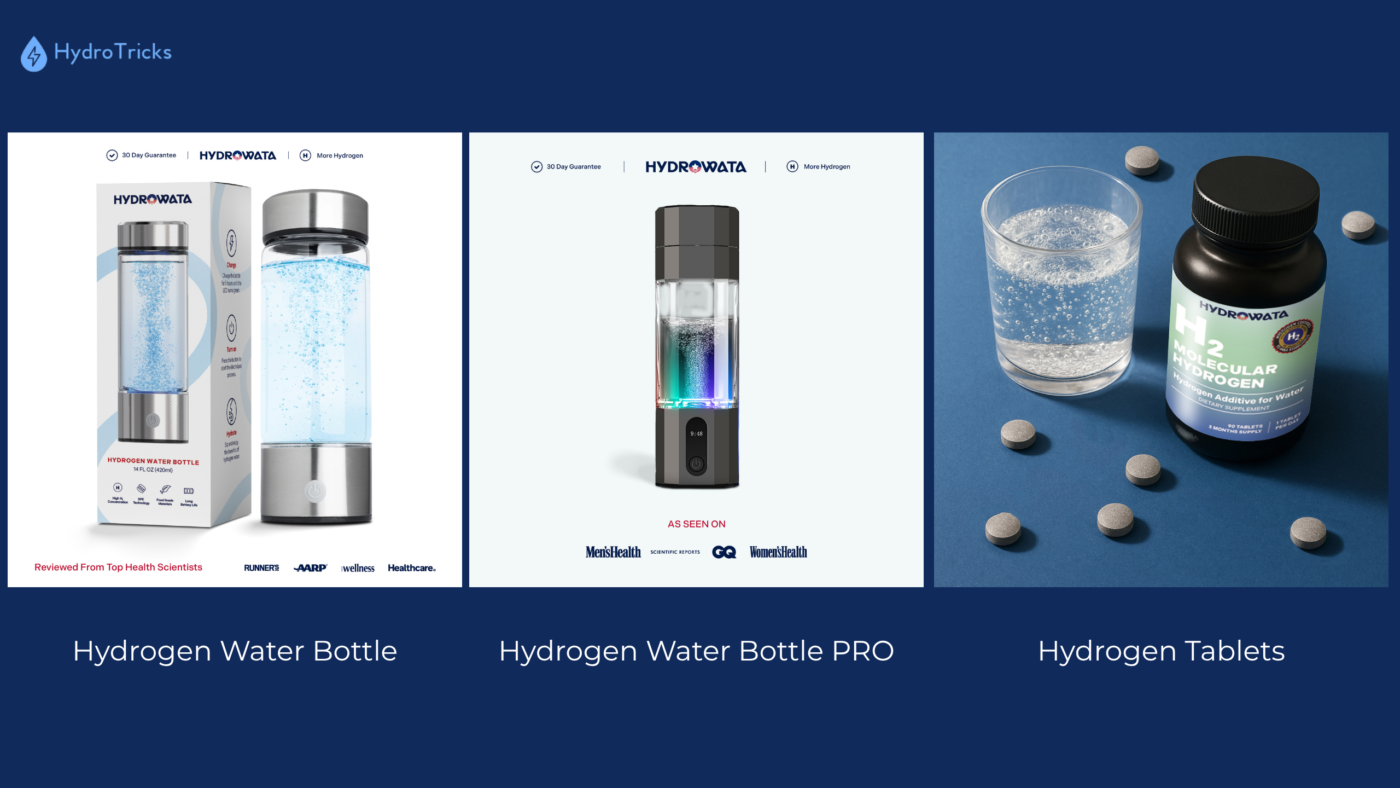
HydroWata offers innovative hydration solutions that go beyond basic bottled water. Designed for health-conscious individuals, their products deliver high hydrogen concentration, smart tech features, and clinical-grade benefits. Let’s take a closer look:
HydroWata Hydrogen Water Bottle
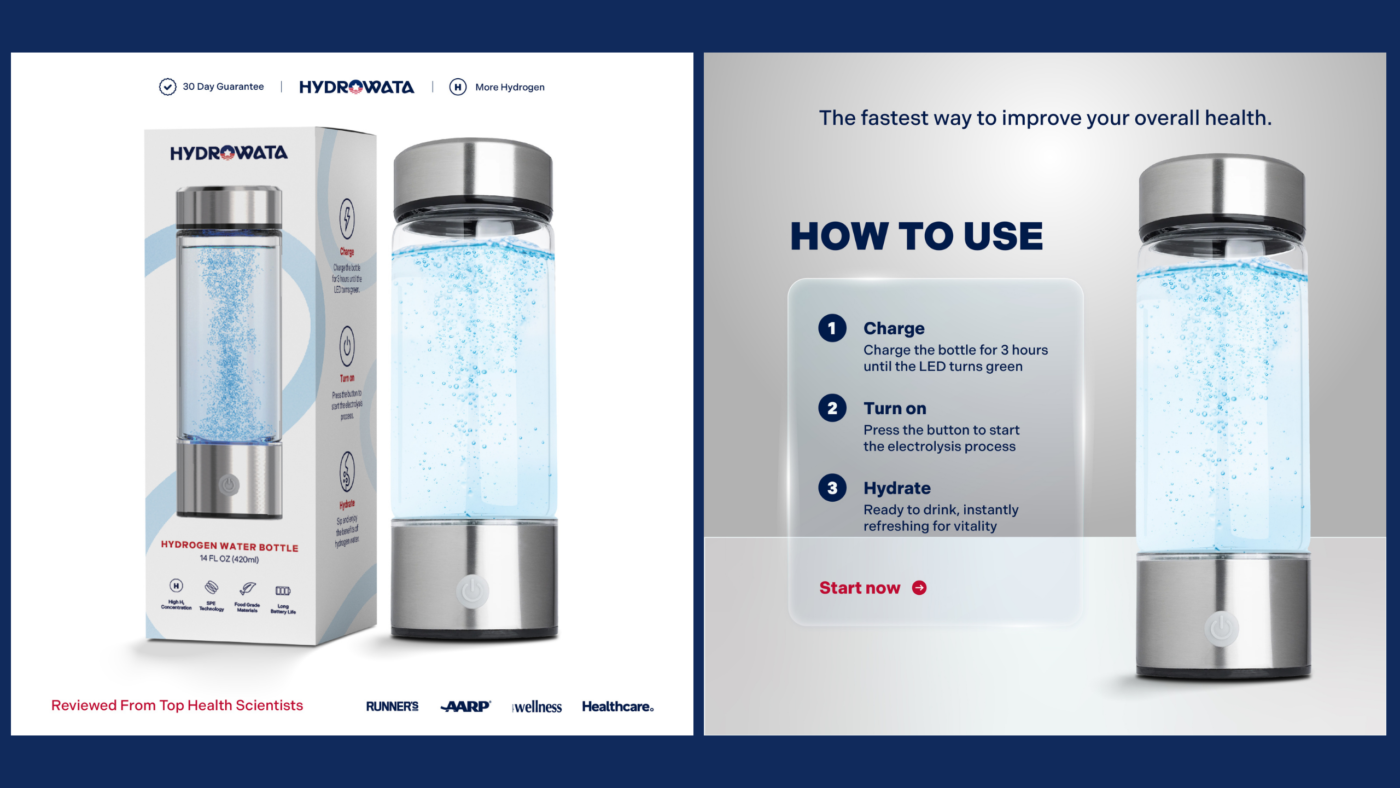
- Produces 1.1–1.68 PPM hydrogen for antioxidant-rich hydration
- Supports gut health, skin clarity, and cognitive function
- Auto shut-off for worry-free operation
- Chemical-free glass design—safe and stylish
HydroWata Hydrogen Tablets
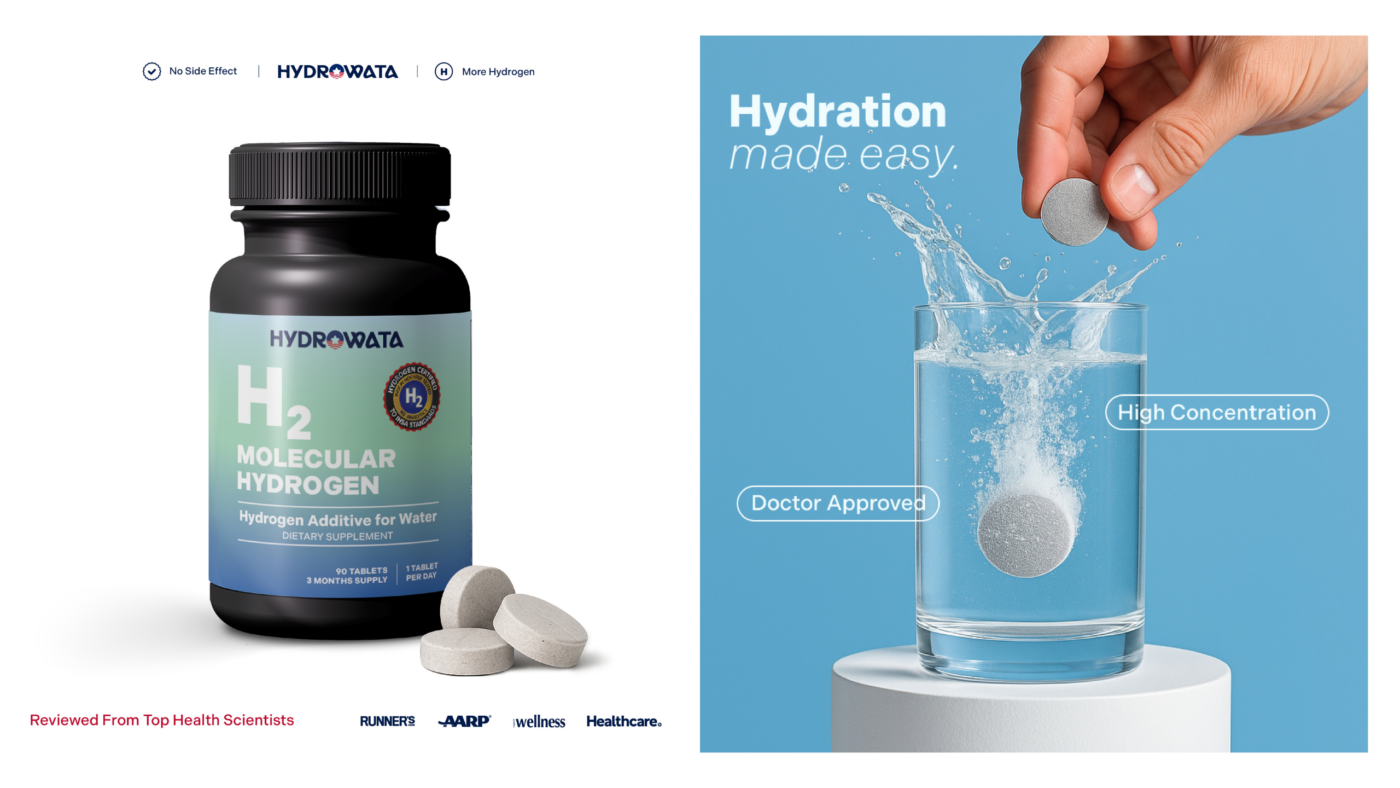
- Each tablet delivers 8,000 PPB hydrogen in 200–500 mL of water
- Reduces inflammation, improves digestion, and detoxes cells
- Portable and convenient—perfect for travel or gym days
- 90-tablet bottle supports up to 3 months of daily wellness
HydroWata Hydrogen Water Bottle PRO
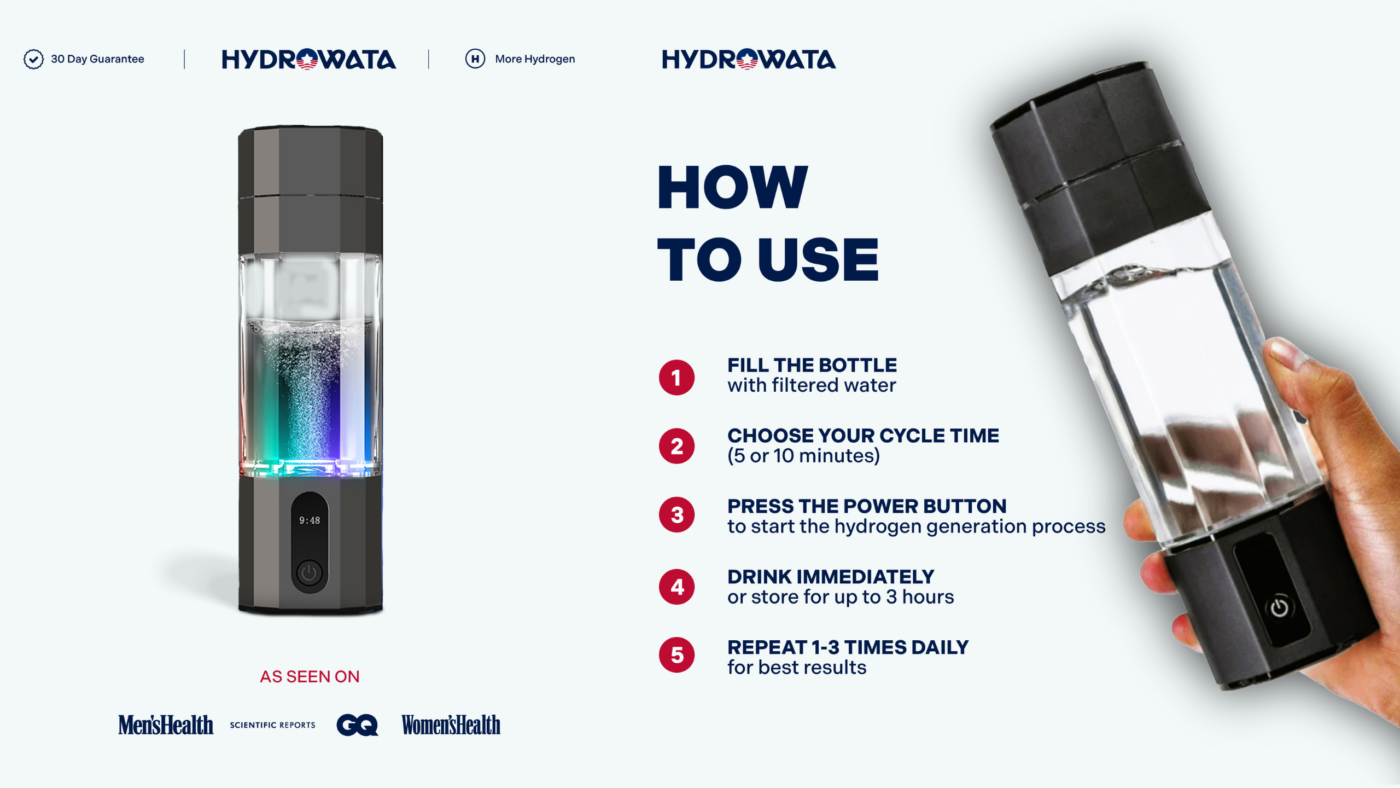
- Delivers up to 10,000 PPB hydrogen concentration
- Dual-mode cycles: 5 or 10 minutes
- SPE/PEM tech ensures no chlorine, ozone, or metals
- Durable design with USB charging and a wide mouth for easy cleaning
If you want to break the cycle of recurring headaches, consider smarter hydration tools. After all, will dehydration cause headaches if you’re drinking hydrogen water daily? Highly unlikely.
How Much Hydrogen Water Should You Drink Daily?
For optimal hydration and wellness, aim to drink 2–3 liters of hydrogen water each day. This amount supports cellular hydration, boosts antioxidant activity, and may help reduce the frequency of dehydration-related headaches.
Since hydrogen water is absorbed more efficiently than regular water, many people feel benefits like increased energy and mental clarity even with slightly lower intake. Still wondering, will dehydration cause headaches? Staying consistently hydrated with the right kind of water can make a noticeable difference.
Final Thoughts: Reclaim Your Energy, Ditch the Headaches
Headaches aren’t just a nuisance—they’re your body’s way of saying it needs water. And more often than not, dehydration is to blame. The science is clear: even mild fluid loss can trigger headaches, fatigue, and brain fog. That’s why smart hydration matters.
Hydrogen water absorbs more efficiently, fights inflammation, and helps restore your energy levels naturally. If you’re still wondering, “Will dehydration cause headaches?”, the answer is yes—and it’s preventable. With daily hydration using hydrogen water, you can feel clearer, more focused, and ready for whatever comes next. Don’t just drink water—drink smarter.
FAQs
What Does a Dehydration Headache Feel Like?
It’s usually a dull, throbbing pain on both sides of the head, worsened by movement. If you’re asking, will dehydration cause headaches? This type of ache is a common sign.
What Are the 5 Warning Signs of Dehydration?
The five most common signs of dehydration include thirst or dry mouth, fatigue, headache, dark yellow urine, and dizziness. These symptoms can show up quickly, and if you’re wondering, “Will dehydration cause headaches?”, this is often one of the earliest indicators your body needs water.
What Is the Fastest Way to Fix Dehydration?
Drink water slowly but steadily. Add electrolytes or try hydrogen water for faster absorption and better cellular hydration.
How Much Water Should I Drink to Prevent Headaches?
Aim for 8–10 cups daily. More if you’re active, in heat, or drink caffeine. Consistent hydration helps prevent headaches.
Is Water with Hydrogen Safe?
Yes. It’s natural, non-toxic, and may reduce inflammation. Many people use it to help with energy and headache relief.