
In today’s fast-paced world, sleep is often sacrificed in favour of productivity. Many wonder if cutting corners on rest can still support their lifestyle, leading to a common question: Is 6 hours of sleep enough? While some claim they feel fine with limited sleep, science tells a different story. This blog dives deep into the research, effects, and solutions, helping you make informed decisions about your health, energy, and hydration.
Is 6 Hours of Sleep Enough?
Let’s get straight to the point: 6 hours of sleep is enough for very few people. The Centers for Disease Control and Prevention (CDC) and most sleep specialists agree that the optimal amount of sleep for adults is 7–9 hours per night. Getting less than this on a consistent basis can lead to sleep deprivation, which has serious physical, mental, and emotional consequences.
However, there are rare individuals known as “short sleepers” who may function well on just six hours due to genetic factors. Still, for the vast majority of people, 6 hours is enough only for short-term survival, not long-term health.
What Happens If You Only Sleep 6 Hours?
When you consistently sleep just six hours a night, your body and brain slowly begin to wear down, even if you don’t notice it right away. The damage builds over time, impacting nearly every system in your body. So what exactly happens when you fall short of the recommended sleep duration?
Mental Effects
- Difficulty concentrating: Your brain struggles to process and retain information. Tasks that require focus, memory, or quick thinking become more challenging.
- Mood instability: You may become more irritable, anxious, or emotionally reactive. Long-term sleep restriction has been linked to increased risk of depression.
- Poor decision-making: Lack of rest can impair your judgment and heighten impulsivity, making you more prone to mistakes and risk-taking behaviours.
Physical Consequences
- Weakened immunity: You’re more likely to get sick and take longer to recover from illnesses due to a compromised immune system.
- Increased risk of chronic diseases: Heart disease, diabetes, obesity, and high blood pressure become much more likely with ongoing sleep loss.
- Weight gain and hormonal imbalance: Hormones that regulate hunger and stress become disrupted, leading to overeating and metabolic issues.
Despite these well-known dangers, many still wonder if 6 hours of sleep is enough. In reality, it is enough only if you’re ignoring your long-term well-being.
Recommended Sleep Hours by Age

How much sleep your body needs varies with age, activity levels, and overall health. Sleep plays a crucial role in physical restoration, brain function, and emotional regulation, especially for younger individuals who are still developing.
| Age Group | Recommended Hours of Sleep |
|---|---|
| Newborns (0–3 months) | 14–17 hours |
| Infants (4–12 months) | 12–16 hours |
| Toddlers (1–2 years) | 11–14 hours |
| Children (3–5 years) | 10–13 hours |
| Teens (13–18 years) | 8–10 hours |
| Adults (18–64 years) | 7–9 hours |
| Seniors (65+) | 7–8 hours |
These guidelines highlight that younger individuals require significantly more rest. For children and teens, sleep fuels healthy development, both physically and mentally. For adults, at least seven hours is generally recommended to maintain energy, focus, and long-term health.
So, can we really say 6 hours of sleep is enough? For most adults, the answer is no. While it is enough to get through a single demanding day, relying on it regularly can lead to burnout, low performance, and chronic health problems over time.
Struggling With Just 6 Hours of Sleep? Tips to Improve Sleep Quality
Struggling with fatigue and wondering if 6 hours of sleep is enough? Instead of relying on minimal rest, try improving your sleep naturally with proven strategies that target both quality and quantity.
Master Sleep Hygiene
Good sleep starts with healthy habits. Here’s how to set the stage for better rest:
- Stick to a consistent sleep schedule: go to bed and wake up at the same time every day, even on weekends. This helps regulate your body’s internal clock and promotes more restful sleep.
- Limit screen time and caffeine before bed: Blue light from phones, tablets, and TVs can suppress melatonin production. Likewise, caffeine—even in the afternoon—can delay your sleep cycle.
- Create a calming bedtime routine: Wind down with activities like reading, gentle stretching, meditation, or a warm shower. A predictable routine signals your brain that it’s time to rest.
Prioritise Quality Sleep Over Just Quantity
While total sleep time matters, the quality of your rest is equally important.
- Understand sleep cycles: Sleep isn’t just one long stretch of rest. It’s composed of multiple cycles, including deep sleep and REM, both essential for memory consolidation, hormone balance, and physical repair. When your sleep is fragmented or too short, you miss out on these vital phases.
- Track your sleep habits: Use a sleep tracker or smart device to monitor how long and how well you’re sleeping. This can help you spot patterns and adjust behaviours to improve sleep efficiency, even if you believe 6 hours of sleep is enough.
Quality vs. Quantity of Sleep: Why Both Matter
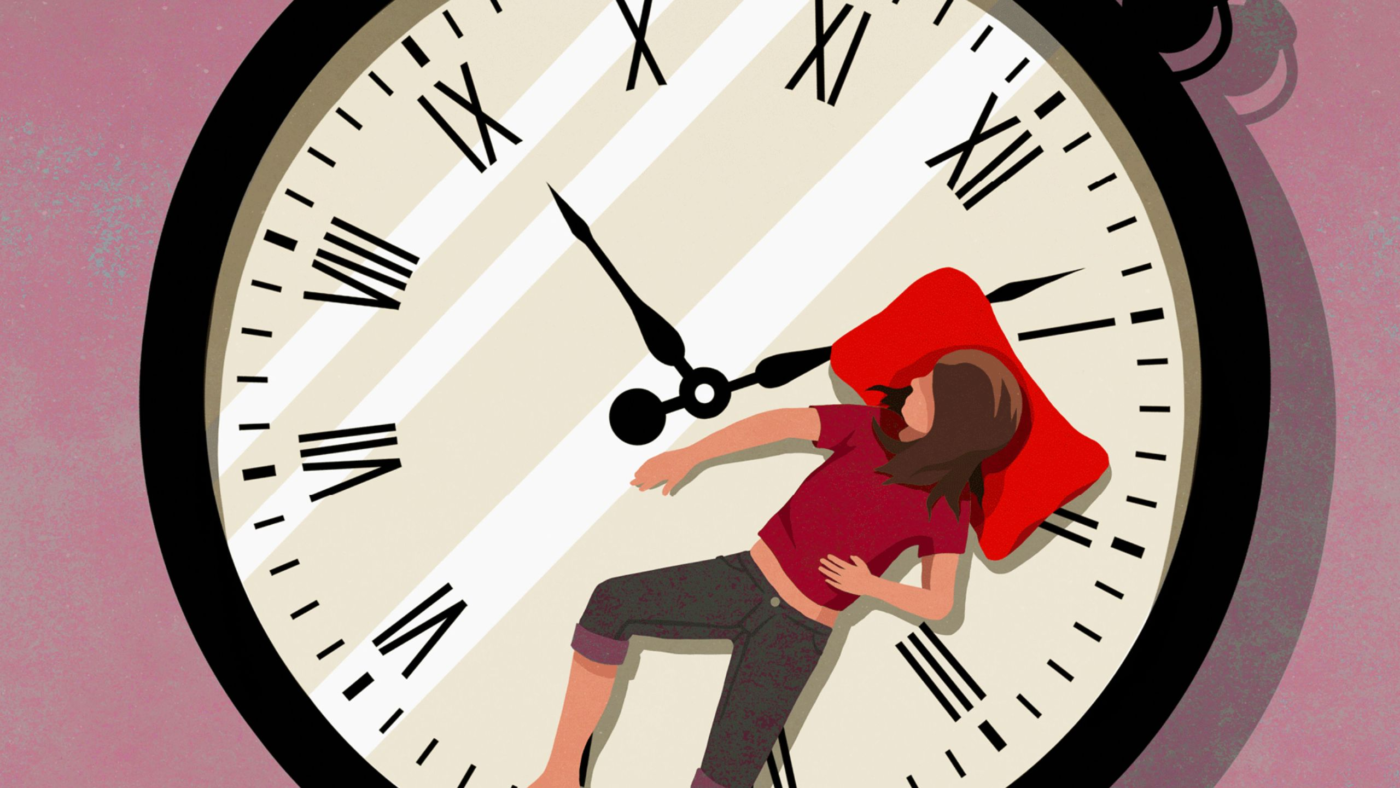
When it comes to sleep, there’s often a debate: is it better to get fewer hours of deep, uninterrupted rest, or more hours that may be lighter or more fragmented? The truth is, both quality and quantity are essential for truly restorative sleep.
Why Sleep Quality Matters
Sleep quality refers to how well you sleep. High-quality sleep means you fall asleep easily, stay asleep through the night, and wake up feeling refreshed. It allows your body to cycle naturally through the essential sleep stages—light, deep, and REM sleep. Deep sleep is vital for physical recovery, while REM sleep supports emotional health, creativity, and memory retention.
Why Sleep Quantity Matters
Sleep isn’t just about depth—it’s about duration. You need enough hours in bed to complete multiple full sleep cycles. On average, one cycle takes about 90 minutes, and adults need 4–6 cycles per night. If you only allow yourself six hours, you may miss out on entire cycles that are critical for brain and body recovery.
Some argue that 6 hours of sleep is enough if the quality is high, but that’s misleading. In reality, 6 hours of sleep is enough only to short-circuit your full sleep architecture, leaving you vulnerable to fatigue, poor focus, and health issues.
Hydration and Sleep: A Hidden Connection
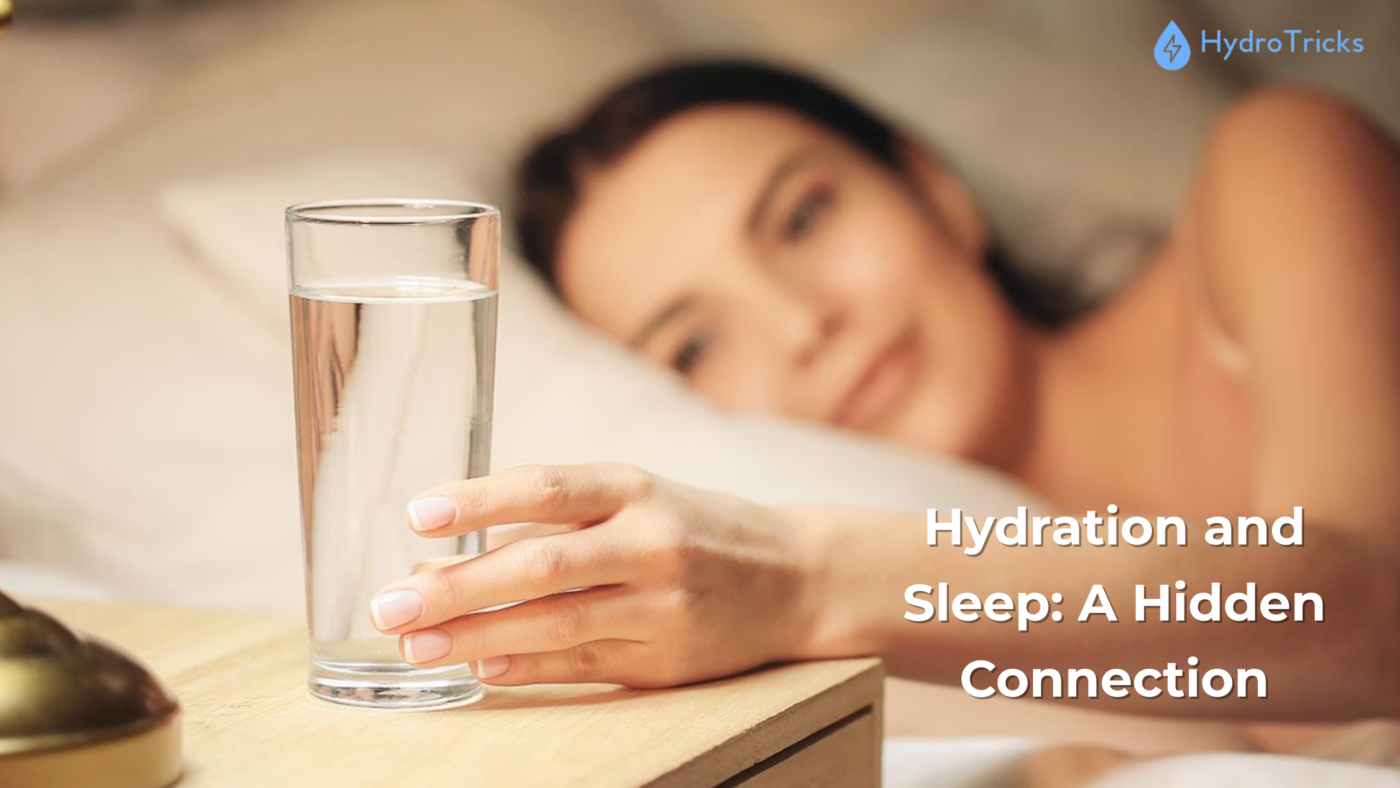
One surprising factor that affects sleep quality is hydration. Dehydration can cause dry mouth, cramps, and even disruptions in melatonin production. That’s why maintaining fluid balance is essential for better rest.
Can Hydrogen Water Help If 6 Hours of Sleep Is All You Get?
Hydrogen-rich water is gaining popularity for its antioxidant properties, energy-boosting potential, and anti-inflammatory effects. It may even support better sleep by reducing oxidative stress and improving cellular health.
Is hydrogen water good for you? Early studies suggest it can enhance hydration, which in turn helps your body recover more efficiently. If you’ve been wondering whether 6 hours of sleep is enough, you might want to consider how hydration plays a role in how well those hours serve you.
Struggling with 6 Hours of Sleep? Try Hydrowata Hydrogen Water
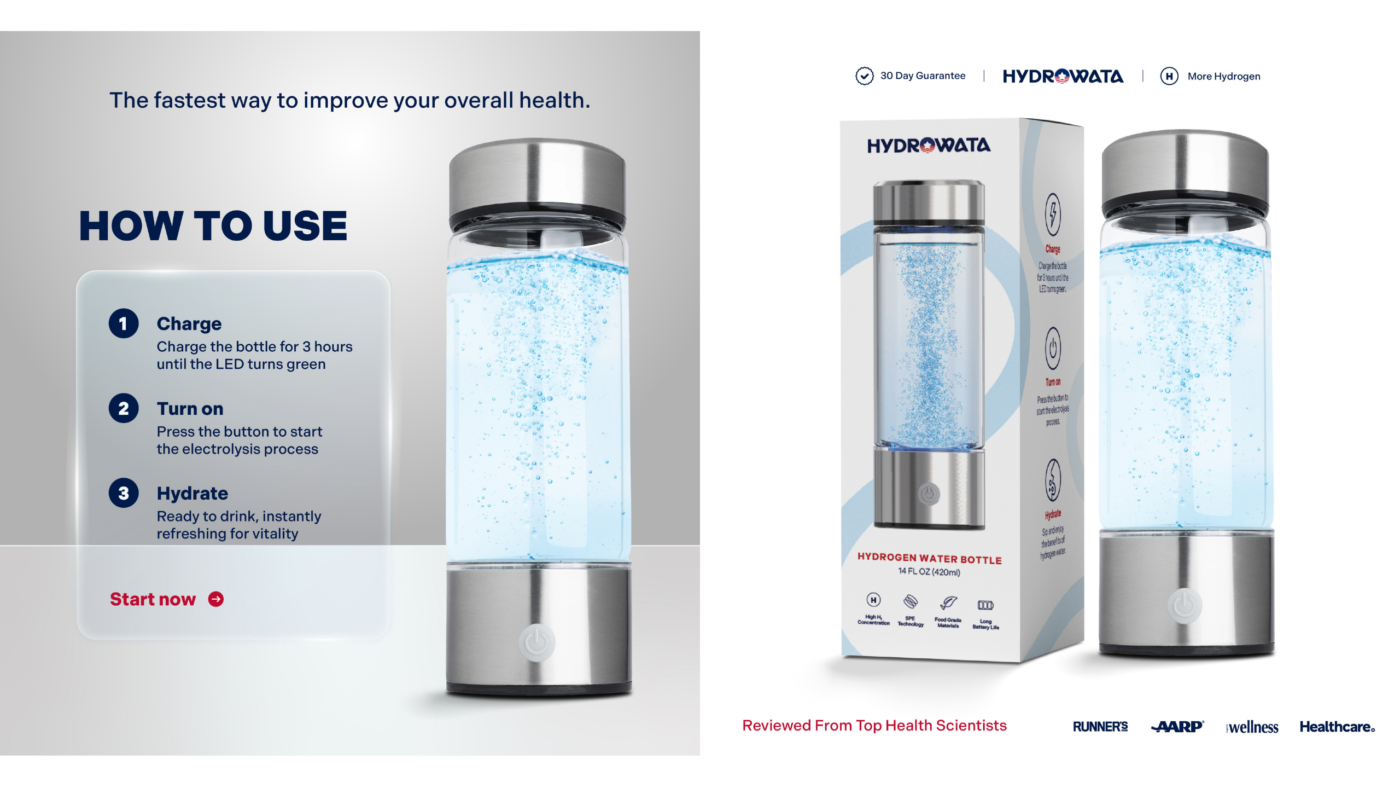
For those interested in a natural way to support better sleep, energy, and recovery, the Hydrowata Hydrogen Water Bottle and Hydrogen Water Tablets are excellent additions to your wellness routine.
Hydrowata Hydrogen Water Bottle
- High Hydrogen Concentration: Delivers therapeutic hydrogen levels to fight fatigue and oxidative stress.
- Advanced SPE Technology: Splits water molecules using Solid Polymer Electrolysis—no chlorine, no ozone.
- Long-Lasting Battery: Rechargeable and travel-friendly for hydration on the go.
- User-Friendly Design: Wide-mouth bottle makes cleaning and drinking easy and hygienic.
You can read more information about this product via this blog: Hydrowata Hydrogen Water Bottles Review: Are They Worth It?
Hydrowata Hydrogen Water Tablets
- Fast Activation: Drop into water and get hydrogen-rich hydration in just minutes.
- Travel Ready: Lightweight and convenient—ideal for people with busy schedules.
- No Additives: Clean, safe, and scientifically formulated.
You can read more information and get one here: HydroWata Hydrogen Water Tablets
Both products may help improve energy and recovery, making your sleep more effective, though again, 6 hours of sleep is enough only if combined with other supportive health strategies.
Is Daytime Sleepiness Normal?
Feeling drowsy in the afternoon? You’re not alone. Daytime sleepiness is a common sign of sleep deprivation. If you consistently sleep only six hours and experience fatigue, low motivation, or brain fog, your body is trying to tell you something.
Even with healthy habits, 6 hours of sleep is enough only for a very short time before side effects start appearing. A better goal is to aim for at least seven hours and use tools like hydrogen water to improve your body’s overall balance.
Final Verdict: Is 6 Hours of Sleep Enough?
Let’s sum it up: 6 hours of sleep is enough only in rare cases. For the average person, six hours of sleep will eventually take a toll, mentally, physically, and emotionally.
However, if your current lifestyle limits sleep, there are ways to support your health:
- Prioritise hydration, especially with hydrogen-rich water.
- Use science-backed products like the Hydrowata Hydrogen Water Bottle and Hydrogen Water Tablets.
- Aim to gradually increase sleep to 7–9 hours per night.
- Improve sleep hygiene: cool bedroom, reduce screen time, and avoid caffeine late in the day.
Ultimately, 6 hours of sleep is enough only if it comes with exceptional sleep quality, strong recovery habits, and lifestyle support—and even then, it shouldn’t be your long-term goal.
FAQs
Is 6 hours of sleep enough for adults?
Not usually. Most adults need 7–9 hours. Six hours may lead to long-term health issues.
Is 6 hours of sleep enough for a teenager?
No. Teenagers require at least 8–10 hours of sleep due to developmental needs.
Is 7 hours of sleep enough?
For many adults, yes, especially when paired with good sleep hygiene and hydration.
Can hydrogen water improve sleep?
Yes, hydrogen water can help improve sleep quality. Its antioxidant and anti-inflammatory properties may reduce oxidative stress, promote cellular recovery, and support a more restful night’s sleep.
Where can I get hydrogen water products?
The Hydrowata Hydrogen Water Bottle and Tablets are excellent options—portable, powerful, and easy to use.